Often used for up to four days after surgery, pain pumps allow a patient to administer medication on an as-needed basis through a catheter to the specific part of the body experiencing pain, typically nerves or incised tissues. These devices e ffectively help avoid complications that might result from taking the pain medication intravenously, which introduces […]
People with ataxia lack muscle coordination when they perform voluntary movements such as walking or picking up objects. A sign of an underlying condition, ataxia can also aff ect speech, eye movements and the ability to swallow, and may be caused by alcohol abuse, stroke, head trauma, brain tumor, cerebral palsy, multiple sclerosis or a defective […]
About every 45 seconds, someone in the United States has a stroke, making it the leading cause of long-term disability. Survivors are often left with physical deficits and fear of suffering another stroke. As a stroke survivor, you can do two things to reduce the risk of a second stroke: control your blood pressure with […]
Aweakened heart unable to pump enough blood to meet the body’s needs results in congestive heart failure (CHF). When this happens, fluid builds up in the extremities, causing the legs, ankles, feet and fingers to swell. Fluid also accumulates in the lungs—a condition called pulmonary edema—causing shortness of breath, especially during activity or when lying […]
Microfracture surgery can repair damaged knee cartilage, the material that cushions bones at their joints. First, surgeons make a one-quarter inch incision on the affected knee and then insert an instrument into the joint to poke small holes (microfractures) into the bone just below the end of the damaged cartilage. Blood clots cover the damaged […]
Say you have experienced intermittent pain in your legs after walking or climbing stairs, but you brush it off as an unfortunate side effect of aging. Maybe you have noticed that the hair on your lower leg is growing more slowly or that the skin looks paler on your leg than on the rest of […]
Many trendy buzzwords and catch phrases are often used in fitness circles, with the phrase “training in planes” heard quite frequently. The concept, which has nothing to do with aviation, sounds interesting, but what does it really mean? Simply put, every move we make involves one of the following three planes of motion in the […]
Significant pain affects many of us. In fact, at one or more points in their lives, about 45% of Americans will experience such persistent pain that they will seek treatment. Pain is the most frequent reason medical care is sought and the number one cause of lost productivity in the workplace, costing employers $80 billion […]
To fix a broken bone internally into position and support it until it is able to bear weight, surgeons have turned to new materials such as stainless steel, cobalt and titanium, which are compatible with the body and rarely cause allergic reaction or implant failures. While metal screws made from these materials are widely used, […]
People who have undergone angioplasty followed by stent placement generally have better blood supply to the heart muscle than do other people. That increased blood supply means that you should be able to participate in more physical activity than you did before the procedure. Not only is exercise safer than it was before your angioplasty […]
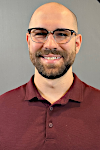
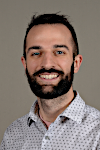
Education: Quentin graduated from The George Washington University with his Doctorate in Physical Therapy in May 2024. He completed his undergraduate work at Hampden-Sydney College with a Bachelor of Arts degree in Psychology. Quentin has been a member of the APTA since 2021.
Specialties: Quentin has diverse interests in his practice and intends to continue his education into The Jackson Clinics orthopedic residency program. During his clinical rotations, he spent a significant portion of his education gaining experience in treating post-surgical foot and ankle patients. He enjoys working with patients of all backgrounds and levels of activity.
Fun Facts: Quentin played soccer at a high level in his youth, was on the varsity team at Hampden-Sydney College, and continues to play goalkeeper for his team in District Sports. He also spent two years playing rugby at the club and varsity levels in college. He enjoys lifting weights, running, and rock climbing. Most evenings, he is home and watching Jeopardy with his wife, Sarah.
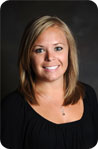
Lesley-Anne King , ATC
Certified Athletic Trainer
Education: Lesley graduated from Boston University with her Bachelor of Science in Athletic Training in 2007. She completed her Master’s in Physical Education, Sport & Fitness from Florida International University in 2010. Lesley has been a Certified Athletic Trainer since 2007 and a member of the NATA since 2006.
Specialties: Lesley has over 15 years of Division 1 athletic training experience, working with a wide range of athletes and teams. Prior to coming to the Jackson Clinics, Lesley has worked at the University of Maryland Eastern Shore, the University of Miami, Florida International University and Villanova University. She has worked with a variety of sports including soccer, basketball, baseball, softball, volleyball, tennis, track and field and golf. Lesley currently still works with Alexandria City High School to cover various games and events as an ATC.
Fun Facts: Lesley enjoys traveling, working out and exploring new areas. She likes trying new foods and restaurants and spending time with friends and family.
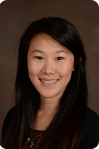
Dr. Elizabeth DePasquale, PT, DPT, OCS
Clinic Director
Education: Liz graduated from Shenandoah University with a Doctorate in Physical Therapy in August 2015. She completed her undergraduate work at Virginia Tech with a Bachelor of Science degree in Human Nutrition, Foods, and Exercise in May of 2012. She traveled to Kenya in December 2016 to assist with teaching the Lumbar Spine and Pelvic Girdle, as a part of the ongoing Jackson Clinics Africa Programs. Liz recently completed our Orthopedic Residency Program and is now an Orthopedic Clinical Specialist.
Specialties: Liz has a strong interest and background in orthopedic and overuse injuries and post-operative rehabilitation. She has experience working with various sports injuries, as she worked with the Virginia Tech Sports Medicine team and cheerleading and dance teams. She has a strong passion for injury prevention and helping patients return to activities that they enjoy.
Fun Facts: Liz loves being active and traveling, with any excuse to go somewhere new. She usually can be found hiking somewhere, whether it be in the Shenandoah Valley, out West or in Scotland with a wounded warrior organization she volunteers with. One of her biggest passions is running. She completed Marine Corps Marathon in 2016 and hopes to finish it again this year. During the fall, you can often find her in front of the TV, watching college football and cheering on her Hokies.
Dr. Elizabeth DePasquale, PT, DPT, OCS
Clinic Director
Education: Liz graduated from Shenandoah University with a Doctorate in Physical Therapy in August 2015. She completed her undergraduate work at Virginia Tech with a Bachelor of Science degree in Human Nutrition, Foods, and Exercise in May of 2012. She traveled to Kenya in December 2016 to assist with teaching the Lumbar Spine and Pelvic Girdle, as a part of the ongoing Jackson Clinics Africa Programs. Liz recently completed our Orthopedic Residency Program and is now an Orthopedic Clinical Specialist.
Specialties: Liz has a strong interest and background in orthopedic and overuse injuries and post-operative rehabilitation. She has experience working with various sports injuries, as she worked with the Virginia Tech Sports Medicine team and cheerleading and dance teams. She has a strong passion for injury prevention and helping patients return to activities that they enjoy.
Fun Facts: Liz loves being active and traveling, with any excuse to go somewhere new. She usually can be found hiking somewhere, whether it be in the Shenandoah Valley, out West or in Scotland with a wounded warrior organization she volunteers with. One of her biggest passions is running. She completed Marine Corps Marathon in 2016 and hopes to finish it again this year. During the fall, you can often find her in front of the TV, watching college football and cheering on her Hokies.
In-Home Outpatient Physical Therapist
Dr. Jennifer Burda, PT, DPT, CLT-LANA
Manassas Location
Education: Jennifer graduated from the University of Pittsburgh with a Doctorate of Physical Therapy. She also majored in Biology with a minor in Psychology from Allegheny College. Jennifer is a Certified Lymphedema Therapist for treatment of the upper and lower extremities with a board certification from the Lymphedema Association of North America.
Specialties: Jennifer is experienced in orthopedic rehabilitation and enjoys treating all competitive athletes and weekend warriors. She has >10 years of experience helping those recover after cancer treatments. Jennifer has a particular interest in aquatic therapy as a tool to helping patients achieve relief. She is a registered yoga teacher with particular interest in helping those interested in practicing find a safe way to do so after injury.
Fun Facts: Jennifer is a 12 time marathon finisher! Her favorite treat is a fully iced Wegmans cookie cake.
In-Home Outpatient Physical Therapist
Dr. Alayna Salzler, PT, DPT, OCS
Springfield Location
Education: Alayna was born and raised in Buffalo NY and graduated with a doctorate in Physical Therapy from Daemen University in 2023, where she spent her free time as a Daemen Cheerleader and taking adult ballet classes.
Specialties: She is passionate about working with performing artists, especially dancers, and patients with vestibular challenges including BPPV and vestibular migraines.
Fun Facts: On the weekends, Alayna spends her time reading fantasy novels, knitting, and cuddling with her 9 year old cat Molly.
In-Home Outpatient Physical Therapist
Dr. Jane Summers, PT, DPT, OCS
Burke Location
Education: Dr. Summers graduated from Lynchburg College with her Doctorate in Physical Therapy in May 2014. She has completed both the Jackson Clinics’ residency program and the University of Pittsburgh’s advanced vestibular program, earning her credentials as a Board Certified Orthopedic Clinical Specialist and Advanced Vestibular Physical Therapist. As an APTA-certified clinical instructor, she enjoys giving back to the profession via mentoring students and residents throughout the year.
Specialties: Dr. Summers works with a wide patient population, and has experience treating neurological and orthopedic pathologies, including post-operative conditions and vestibular dysfunction. She enjoys utilizing her manual therapy and dry needling skills to supplement patient-tailored strengthening and movement re-training exercises. Stemming from her core belief in treating the body as a whole—and not in parts—she also customizes orthotics and provides 3D gait assessment services.
Fun Facts: Jane enjoys reading, traveling, and being physically active. She will try most anything once in the name of fun, relational bonding, and/or experiential growth.
In-Home Outpatient Physical Therapist
Dr. Nathan Schaffer, PT, DPT
Ashburn Location
Education: Nathan graduated from Slippery Rock University with his Doctorate in Physical Therapy. He completed his undergraduate work at Liberty University with a Bachelors in Exercise Science. Nathan has been a member of the APTA since 2022.
Specialties: Nathan has a strong interest in sports and weightlifting injuries. With a background in weightlifting and exercise science he enjoys working with athletes of all backgrounds.
Fun Facts: Nathan played soccer from K-12 where he was team captain his senior year. Nathan loves being active whether that be playing recreational football, volleyball, or pickleball or working out at his favorite gyms. Nathan also enjoys watching Pittsburgh sports teams especially the Steelers.
In-Home Outpatient Physical Therapist
Dr. Sarah Corinne Zeni, PT, DPT
Springfield Location
Education: Corinne graduated from University of Pittsburgh as a Doctor of Physical Therapy in December 2023. She completed her undergraduate work at Slippery Rock University of Pennsylvania where she earned a Bachelor of Science in Exercise Science with a minor in Dance. She has been an APTA member since 2021 and an IADMS member since 2024.
Specialties: Corinne has a strong interest in Performing Arts Physical Therapy. She has experience practicing physical therapy with Pittsburgh Ballet Theatre artists as well as dance students at Point Park University. She has her own dance training with focus on modern dance from San Francisco Conservatory of Dance as well as the Martha Graham School. She is passionate about treating dancers with a holistic approach in order to improve their performance and artistry. Corinne also has experience working with the Parkinson’s population in Pittsburgh’s Squirrel Hill community where she developed a Dance for Parkinson’s class.
Fun Facts: In her spare time, Corinne continues to enjoy dancing as well as traveling and attending Broadway shows. You can also find her crocheting and reading, and she is starting to get into photography.
In-Home Outpatient Physical Therapist
Dr. Claire Dulin Ortiz, PT, DPT, OCS
Ashburn Location
Education: Claire earned her Doctorate of Physical Therapy from Grand Valley State University where she worked as a graduate assistant. During PT school she served as President of the Michigan Physical Therapy Association Student Relations Committee, and was Chair of the Community Advocacy Committee and Historian for her class. Claire graduated Magna Cum Laude and Phi Beta Kappa from Western Michigan University where she earned her Bachelor’s Degree in Biomedical Sciences with minors in Chemistry and Spanish. She is a Board Certified Direct Access Provider and an APTA Credentialed Clinical Instructor. She graduated from The Jackson Clinics Orthopaedic Residency in 2016 and became a Board-Certified Clinical Specialist in Orthopaedic Physical Therapy (OCS) after passing the specialty board examination. Claire earned her Clinical Certification in Orthopaedic Manual Therapy (COMT) in 2022. Claire has been a member of the APTA since 2010 and served as the Secretary for the Northern District of the VPTA from 2013-2017. In 2013 she received the DPT Visionary Foundation – Gary L. Soderberg Doctor of Physical Therapy Award. She traveled to Africa with The Jackson Clinics Foundation to help educate physical therapists in the OMPT class in Kenya in 2016, and to mentor DPT students in Ethiopia in 2017.
Specialties: Orthopedics. Manual Therapy. Claire enjoys treating patients with a variety of musculoskeletal and neurological impairments and has a particular interest in manual therapy. She is experienced in treating a variety of orthopedic conditions and sports injuries in areas such as the shoulder, knee, neck, ankle, spine, and sacroiliac joint and has worked with high-level amputees in the military.
Fun Facts: Claire loves soccer, snowboarding, cycling, hiking, kayaking, and exploring the outdoors. She enjoys music, travel, and learning random/useless facts. She has three fur babies, Maverick, Squirrel, and Goose (a dog and two cats). She likes to experiment in the kitchen and has a particular fondness for Blue Moon ice cream and anything from The Mitten State (Michigan).
In-Home Outpatient Physical Therapist
Dr. Cristina Belmonte, PT, DPT
Tysons Location
Education: Cristina graduated from Ithaca College with her Doctorate in Physical Therapy in 2021. She completed her undergraduate work at Ithaca College with a Bachelor of Science Degree in Clinical Health Studies and Minor of Psychology in 2019. She has completed multiple pelvic health courses through Herman & Wallace Pelvic Rehab Institute. Cristina has also been a member of the APTA since 2020.
Specialties: Cristina has an interest and strong background in treating patients of all ages and orthopedic conditions, as well as post-operative and return to sport rehabilitation. She also has taken a strong interest in pelvic health rehabilitation, specifically treating women during pregnancy and throughout their post-partum recovery, as well as throughout their lifespan to help them participate in their favorite activities without pain or incontinence. Cristina has a passion for guiding patients through their rehabilitation with confidence, allowing them to return to the things they love most.
Fun Facts: Cristina is originally from Stamford, CT and comes from a large Italian family. She played competitive soccer throughout high school and college. She is a huge fan of the US Women’s National Soccer Team. In her free time she enjoys hiking, reading, and spending time with her family and friends.
In-Home Outpatient Physical Therapist
Dr. Abby Rossiter, PT, DPT
Springfield Location
Education: Abigail graduated from Old Dominion University with her Doctorate of Physical Therapy in May 2023. She completed her undergraduate work at Old Dominion University as well where she earned her Bachelor of Science degree in Exercise Science with an Interdisciplinary minor in Health and Wellness in 2020. She has been an APTA member since 2020. Abby earned her Herman and Wallace Pelvic Floor Practitioner Certification during the final year of her doctorate program and began to specialize in pelvic floor physical therapy during her last clinical rotation.
Specialties: Abby has a strong interest in pelvic health as it relates to orthopedic conditions and plans to further her education in this realm. At Old Dominion University, she gained seven years of experience as a personal trainer and fitness instructor, in which she enjoyed teaching strength and conditioning classes for various populations. She is passionate about health and wellness and treating patients with a holistic approach, with a special interest in women’s health. She also has experience working with patients with Ehlers-Danlos Syndromes and Hypermobility Spectrum Disorders.
Fun Facts: Apart from teaching fitness classes and personal training in college, Abby was an Outdoor Adventure Trip Leader and led her peers in various outdoor recreational activities, her favorites being backpacking and hiking in the mountains. She also loves the beach and being by the water, as she grew up in the Virginia Beach region. Abby enjoys traveling, taking yoga and pilates classes, cooking, playing with her shitzu puppy, discovering new restaurants, and immersing herself in various creative hobbies. She is always eager to try something new and has recently started to play pickleball.
In-Home Outpatient Physical Therapist
Dr. Mike Wilkins, PT, DPT, OCS
Worldgate Location
Education: Mike graduated from Mary Baldwin with a Doctorate in Physical Therapy in May 2021. He completed his undergraduate degree of Bachelor of Sciences in Geology and a Minor in Fitness at the University of Pittsburgh. He has been a member of the APTA since 2017.
Specialties: Mike is interested in treating the body as a whole and how the different parts work together as a team. He is a certified Orthopedic Clinical Specialist. He worked for 3 years as an ACSM Certified Personal Trainer before starting his PT journey.
Fun Facts: Mike spends most of his free time reading fantasy stories or playing with his dog. He enjoys playing tennis with his family and competing in solving puzzles or games.
In-Home Outpatient Physical Therapist
Dr. Raven Jefferson, PT, DPT, OCS, PCES
Arlington Location
Education: Dr. Raven Jefferson earned her Doctorate in Physical Therapy from the University of Lynchburg after graduating Cum Laude from the University of South Carolina Upstate with a Bachelor of Science in Exercise and Sports Science. She completed The Jackson Clinics Orthopedic Residency in 2023 and is a Board-Certified Orthopedic Clinical Specialist (OCS). She then went on to complete multiple advanced certification courses in Pelvic Health through Herman & Wallace Pelvic Rehab Institute and is a pelvic floor physical therapy provider. She has been an APTA member since 2018 and is a member of the Academy of Pelvic Health.
Specialties: As a Pregnancy and Postpartum Corrective Exercise Specialist, Dr. Jefferson has a special interest in treating antepartum, postpartum, and active women with diastasis recti (DRA) and pelvic floor dysfunction, including pelvic pain, incontinence, and sexual dysfunction. As an Orthopedic Specialist she integrates her expertise in biomechanics and musculoskeletal rehabilitation to deliver a holistic approach to pelvic health care. Dr. Jefferson also has experience in treating a variety of orthopedic conditions including athletic injuries, overuse injuries, and post-operative care.
In addition to clinical practice, Dr. Jefferson has traveled to Kenya with the Jackson Clinics Foundation to teach and mentor physical therapy students at AMREF International University. She is also a mentor for The Jackson Clinics Orthopedic Residency and an APTA Credentialed Clinical Instructor.
Fun Facts: Dr. Jefferson was a Division 1 collegiate basketball player at USC Upstate where she was named the Female Athlete of the Year her senior year. She continues to play basketball recreationally and enjoys strength training, indoor cycling, outdoor activities, traveling, and exploring the DMV.
In-Home Outpatient Physical Therapist
Cassie Jurasits, PT, CLT
Springfield Location
Education: Cassie graduated from the University of Central Arkansas in 1989 with a BS in Physical Therapy. She is an active orthopeadic section APTA member and regularly attends continuing education courses offered by the Jackson Clinics Residency Program.
Specialties: Cassie’s specialty is outpatient orthopeadics. She enjoys helping people feel better, move better, and function better with the basic activities of everyday living, as well as helping them get back to doing what they love to do. In addition to providing manual therapy and exercise guidance, Cassie enjoys educating people to a greater understanding of their individual physical situations. She has a particular interest in treating dysfunctions of the spine, shoulder, elbow, wrist, hip, knee, and ankle.
Fun Facts: Cassie landed her first job at Johns Hopkins Hospital because of a foot massage. She and her husband hiked Half Dome. Her favorite family vacation spot is Cape Cod, Massachusetts.
In-Home Outpatient Physical Therapist
Renae Soule, PT, MPT, OCS
Springfield Location
Education: Renae graduated from the University Of Nebraska Medical Center in 1994 with a Master of Physical Therapy. She has been a member of APTA since 1991.
Experience: Renae has over 20 years of clinical experience, outpatient as well as inpatient rehabilitation. She enjoys treating a wide variety of orthopedic conditions to include ankle/foot, elbow, hip, sacroiliac and cervical spine dysfunctions, shoulder and knee problems. Renae has experience in treating neurological conditions, post-operative and non-operative shoulders and knees. She is especially interested in Strain-Counterstrain techniques and has taken several courses to master this discipline. Renae also had the opportunity to travel to Ethiopia as a clinical mentor to assist in teaching the students with Addis Ababa University.
Fun Facts: In her spare time, Renae enjoys spending time with her family, volunteering her time at her church and children’s schools, as well as leading a Girl Scout Troop.
Pelvic Floor and Women's Health Clinical Specialist
Dr. Leila Khatouri, PT, DPT, OCS, WCS
Clinic Director
Education:Leila graduated from Virginia Commonwealth University with her Doctorate in Physical Therapy in May 2016. She completed her undergraduate work at the University of Virginia with a Bachelor of Arts in Biology and Psychology. She has been a member of the APTA since 2013. She completed TJC’s Orthopedic Residency Program in 2019 to become a Board-Certified Orthopedic Clinical Specialist. Since 2019 she has taken several certification courses in Pelvic Health through Herman & Wallace Pelvic Rehab Institute and is now a Board-Certified Pelvic Health Clinical Specialist.
Specialties: Leila has a strong interest and background in pelvic health, orthopedic injuries and post-operative rehabilitation. She enjoys working with patients of all ages and with a variety of musculoskeletal injuries. She has a special interest in treating women during pregnancy and throughout their post-partum recovery, as well as throughout their lifespan to help them participate in exercise and recreation without pain or incontinence.
Fun facts: Leila played on the club volleyball team while at UVA and continues to enjoy playing whenever she gets the chance. In her free time, she enjoys spending time with friends and family, watching the University of Virginia basketball team, and going to the beach. Lately she spends most of her free time with her dog, Frankie, who is a big ball of joy and energy and keeps her very busy.
Dr. John van Koetsveld, PT, DPT, OCS, CCI, Cert. DN, Cert. SMT, Dip. Osteopractic®
Physical Therapist
Education: Dr. John earned his Doctorate in Physical Therapy from the College of St. Scholastica in Duluth, Minnesota in 2018. Prior to that, he pursued an Advanced Master’s in Orthopedic Physical Therapy at Quinnipiac College (now Quinnipiac University) in Connecticut in 1996. His journey in physiotherapy began with a Bachelor’s degree from Hogeschool Midden Nederland (Central Netherlands Polytechnic, The Netherlands) in 1993. He is a Board Certified Orthopedic Clinical Specialist, a Board Certified Direct Access Provider, and a Certified Clinical Instructor through the American Physical Therapy Association.
Specialties: With over 30 years of experience, John has a profound interest in various orthopedic areas. His expertise extends to treating a diverse range of post-operative, traumatic, overuse, and sports injuries. He has honed his skills in spinal manipulation and dry needling through various institutions. John holds certifications in Spinal Manipulative Therapy (Cert. SMT) and Dry Needling (Cert. DN) from the Spinal Manipulation Institute & Dry Needling Institute, both under the American Academy of Manipulative Therapy (AAMT). His commitment to advancing his knowledge recently led him to complete his Diploma Osteopractic® through the AAMT, a comprehensive post-graduate training program in the use of high-velocity low-amplitude thrust manipulation, dry needling, instrument-assisted manual therapies, and differential diagnostics for neuromusculoskeletal condition management. After completing training in dry needling under ultrasound guidance, He is currently pursuing certification as a Registered in Musculoskeletal® (MSK®) sonographer.
Fun Facts: John used to compete and teach ballroom and Latin dance, even owned, and operated a dance studio at one point. He holds a private pilot certificate, and on weekends can be found flying his Mooney to various airfields in search of the perfect hamburger.
Dr. Mike Wilkins, PT, DPT, OCS
Physical Therapist
Education: Mike graduated from Mary Baldwin with a Doctorate in Physical Therapy in May 2021. He completed his undergraduate degree of Bachelor of Sciences in Geology and a Minor in Fitness at the University of Pittsburgh. He has been a member of the APTA since 2017.
Specialties: Mike is interested in treating the body as a whole and how the different parts work together as a team. He is a certified Orthopedic Clinical Specialist. He worked for 3 years as an ACSM Certified Personal Trainer before starting his PT journey.
Fun Facts: Mike spends most of his free time reading fantasy stories or playing with his dog. He enjoys playing tennis with his family and competing in solving puzzles or games.
Dr. Raven Jefferson, PT, DPT, OCS
Clinic Director
Education: Raven graduated from University of Lynchburg with her Doctorate in Physical Therapy in May 2021 where she worked as a graduate assistant and served as Marketing Chair for the Community Health Center, a student-run pro bono clinic. She graduated Cum Laude from University of South Carolina Upstate in 2017 with a Bachelor of Science in Exercise and Sports Science. Raven completed The Jackson Clinics Orthopedic Residency in 2023 and is a Board-Certified Orthopedic Clinical Specialist (OCS). She then went on to take several certification courses in Pelvic Health through Herman & Wallace Pelvic Rehab Institute and is a pelvic floor physical therapy provider. She has been an APTA member since 2018 and is an APTA Credentialed Clinical Instructor.
Specialties: Raven has experience in treating a variety of orthopedic conditions including athletic injuries, overuse injuries, and post-operative care. She has a special interest in treating antepartum, postpartum, and active women with pelvic floor dysfunction including pelvic pain and incontinence, and she believes in a holistic approach to care.
Fun Facts: Raven was a Division 1 collegiate basketball player at USC Upstate where she was named the Female Athlete of the Year her senior year. She continues to play basketball recreationally and also enjoys strength training, indoor cycling, outdoor activities, traveling, and exploring the DMV.
ACL Specialist
Dr. Phil Forsythe, PT, DPT, SCS
Physical Therapist, Concussion Program Director
Education: Phil graduated from the University of Pittsburgh with his Doctorate in Physical Therapy in December 2021. He completed his undergraduate work at The Pennsylvania State University with a Bachelor of Science in Kinesiology with an honors focus in Movement Science. He is a graduate of the Sports Residency Program (2024) and is a current faculty member/mentor for the Sports Residency Program.
Specialties: Phil is a board-certified Sports Physical Therapist particularly interested in working with youth athletes dealing with lower extremity sports injuries with a specialty interest in post-operative ACL reconstruction rehabilitation and sports related concussion management. He works closely with the local youth soccer organizations, especially Vienna Youth Soccer (VYS), for rehabilitation and sports performance needs. He is the current sports-related concussion program director dedicated to increasing access and education for athletes and providers within the sports residency who may encounter sports-related concussions.
Fun Facts: Phil is an avid sports goer with a collegiate-level background in cross country running but can be found playing pick-up basketball at the OneLife Fitness. He currently participates competitively in Obstacle Course Racing. He is an avid supporter of Penn State and Pitt Football and basketball as well as Leicester City F.C and the New York Liberty.
ACL Specialist
Dr. Stephen Boettke, PT, DPT, SCS, CSCS
Physical Therapist
Education: Stephen graduated from University of Pittsburgh with his Doctorate in Physical Therapy in December 2021. He received a graduate certificate in rehabilitation science and Bachelor of Science in Kinesiology from George Mason University prior.
Specialties: Stephen has a strong interest and background in orthopedic injuries, post-operative rehabilitation, sports related injuries and return to sport rehabilitation. Stephen worked as a strength and conditioning coach for athletes prior to attending physical therapy school and maintains his Certified Strength and Conditioning Specialist from the National Strength and Conditioning Association.
Fun Facts: Stephen played basketball locally at Robinson High School and with the Fairfax Stars AAU organization. Stephen continues to love playing hoops as well as weightlifting, hiking, kayaking, and any outdoor activities. He also enjoys rooting for the local Washington professional sports teams as well as his two alma maters, University of Pittsburgh and George Mason University.
ACL Specialist
Dr. Jacob Nguyen, PT, DPT, SCS
Physical Therapist
Education: Jacob graduated from the University of Delaware with his Doctor of Physical Therapy degree in December 2021. He completed his undergraduate studies at Virginia Commonwealth University with a Bachelor of Science degree in Health and Exercise Science in 2019. Jacob has been a member of the APTA since 2019.
Specialties: Jacob has a strong background in strength and conditioning and is primarily interested in orthopedic injuries and post-operative rehabilitation. He is a Certified Strength and Conditioning Specialist through NSCA, and has experience working with youth soccer and volleyball, as well as one on one training for active adults.
Fun Facts: Jacob has been involved in sports since he was a child, including soccer, basketball, track and golf. Outside of sports and treating patients, he also enjoys cooking, hiking and fishing. He is currently working on climbing each of the highest points in all 50 states.
ACL Specialist
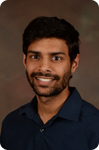
Dr. Pathik Patel, PT, DPT, OCS
Physical Therapist
Education: Pathik graduated from Wheeling Jesuit University with a Doctorate in Physical Therapy in December 2017. He completed his undergraduate work at the University of Virginia with a degree in Kinesiology. He has been a member of the APTA since 2015.
Specialties: Pathik has a strong interest in orthopedic and sport specific injuries, as well as post-operative rehabilitation. With a background in soccer and running, he enjoys working with individuals looking to return to sport, as well as other activities that individuals enjoy performing.
Fun Facts: Pathik likes spending time with family and friends, traveling, and being active by spending time outdoors and playing sports. He also likes watching soccer.
ACL Specialist
Dr. Megan Flaherty, PT, DPT, OCS
Physical Therapist
Education: Megan graduated from Shenandoah University with her Doctorate in Physical Therapy in August 2019. She completed her undergraduate work at University of Delaware with a Bachelor of Science in Exercise Science. Megan has been a member of the APTA since 2016.
Specialties:Megan has a strong interest and background in orthopedic and sports injuries, as well as post-operative rehabilitation. As a former D3 lacrosse player, Megan has a strong interest in working with athletes of any form. She is currently studying to become a certified strength and conditioning specialist to better serve her patient’s needs.
Fun Facts: Megan played D3 college lacrosse for two years. She loves to remain active in her free time whether that be lifting weights or going for hikes outdoors. Megan loves watching sports, especially hockey (Go Caps!).
3D Running Analysis Specialist
Dr. Rob Sigler, PT, DPT, OCS
Physical Therapist
Education: Robert graduated from Regis University with a Doctorate of Physical Therapy in 2011. He completed the Orthopedic Residency Program the following year in 2012. He received an Orthopedic Certified Specialist (OCS) and is a Board Certified Direct Access Provider. In 2018-2019, he completed a Foot/Ankle Fellowship and has expertise with the whole lower extremity.
He has been to both Ethiopia and Kenya as part of PT related services and continues to support these programs wholeheartedly. He enjoys being a mentor and teacher for TJC’s residency/fellowship programs. He teaches 4 classes, integrates 3D camera running technology for runners, certified in trigger point dry needling, and prescribes custom orthotics when appropriate. He is a member of the APTA and AOFAS as professional organizations. This allows excellent resources to related treatments and services in Physical Therapy.
Specialties: Robert has an OCS and is a Fellow that specializes in foot/ankle. He has developed specialties with treating orthopedic foot surgeries, neural pathologies, orthotic prescription, runners, and other lower extremity conditions. He has interest in injury prevention and can include ergonomics, healthy living (nutrition/exercise), and wellness.
Fun Facts: Robert has competed in multiple sports from soccer to gymnastics all the way through college. He grew up in Colorado and is an avid Broncos fan!!
3D Running Analysis Specialist
Dr. Kathryn Hayes, PT, DPT, OCS
Centreville Clinic Director
Education: Kathryn graduated from Virginia Commonwealth University with a Doctorate of Physical Therapy in 2017. She also received a post post-baccalaureate graduate certificate in the Virginia Leadership Education Program in Neurodevelopmental Disabilities (Va-LEND). Kathryn accomplished an Orthopedic Physical Therapy Residency with the Jackson Clinics and became board certified as an Orthopedic Clinical Specialist in Spring 2020. Kathryn is a direct access provider and has been a member of the APTA since 2017.
Specialties: Kathryn is skilled in orthopedic rehabilitation with a specialty in lower extremity athletes. She has a special interest in pediatrics and young teens concerning sports injuries, neurodevelopmental disorders, gait abnormalities, and other musculoskeletal dysfunctions. Kathryn is specialized in 3D running analysis for improvement of performance, improvement in running efficiency, decrease pain, and prevention of injury.
Fun Facts: Kathryn enjoys a variety of sports including trail running, soccer, and horseback riding.
3D Gait Analysis Specialist
Dr. Kristen Landers, PT, DPT, OCS
Physical Therapist, TJC Success Advisor
Education: Kristen graduated from the University of Vermont with a Doctorate of Physical Therapy and also received her Bachelor of Science, Biology from Gettysburg College. She completed the Jackson Clinics Orthopedic Residency program in 2014. She is a Board Certified Direct Access provider and a Board Certified Orthopedic Clinical Specialist.
Specialties: Kristen has a special interest in orthopedic and sports physical therapy. She has experience rehabilitating collegiate athletes with sports-related injuries and post-surgical conditions. She also has experience in research and participated in a project using diagnostic ultrasound imaging to assess trunk musculature to try to predict those patients with low back pain who would benefit from a stabilization program (https://www.ncbi.nlm.nih.gov/pubmed/23228626). She has a particular interest in lower extremity conditions including the hip, knee, ankle, and foot. She also specializes in trigger point dry needling, which is the insertion of needles into trigger points in muscles to help accelerate the return to function.
Fun Facts: Kristen spends most of her free time with her husband and two sons. She enjoys spending time outdoors, particularly running and hiking. She also loves to travel.
Ultrasound Imaging Specialist
Dr. John van Koetsveld, PT, DPT, OCS, CCI, Cert. DN, Cert. SMT, Dip. Osteopractic®
Physical Therapist
Education: Dr. John earned his Doctorate in Physical Therapy from the College of St. Scholastica in Duluth, Minnesota in 2018. Prior to that, he pursued an Advanced Master’s in Orthopedic Physical Therapy at Quinnipiac College (now Quinnipiac University) in Connecticut in 1996. His journey in physiotherapy began with a Bachelor’s degree from Hogeschool Midden Nederland (Central Netherlands Polytechnic, The Netherlands) in 1993. He is a Board Certified Orthopedic Clinical Specialist, a Board Certified Direct Access Provider, and a Certified Clinical Instructor through the American Physical Therapy Association.
Specialties: With over 30 years of experience, John has a profound interest in various orthopedic areas. His expertise extends to treating a diverse range of post-operative, traumatic, overuse, and sports injuries. He has honed his skills in spinal manipulation and dry needling through various institutions. John holds certifications in Spinal Manipulative Therapy (Cert. SMT) and Dry Needling (Cert. DN) from the Spinal Manipulation Institute & Dry Needling Institute, both under the American Academy of Manipulative Therapy (AAMT). His commitment to advancing his knowledge recently led him to complete his Diploma Osteopractic® through the AAMT, a comprehensive post-graduate training program in the use of high-velocity low-amplitude thrust manipulation, dry needling, instrument-assisted manual therapies, and differential diagnostics for neuromusculoskeletal condition management. After completing training in dry needling under ultrasound guidance, He is currently pursuing certification as a Registered in Musculoskeletal® (MSK®) sonographer.
Fun Facts: John used to compete and teach ballroom and Latin dance, even owned, and operated a dance studio at one point. He holds a private pilot certificate, and on weekends can be found flying his Mooney to various airfields in search of the perfect hamburger.
Michael Glindmeyer, PT, DPT, SCS, ATC
Physical Therapist
Michael graduated from Eastern Kentucky University in 2008 with a Bachelor of Science degree in Athletic Training. Followed by completion of a Doctor of Physical Therapy degree at The University of Kentucky in 2011. He became board certified as a clinical specialist in Sports Physical Therapy in 2014. Followed by completion of The Upper Extremity Athlete Sports Physical Therapy Fellowship program through The Jackson Clinics in 2017. Michael is a current member of The American Society of Shoulder and Elbow Therapists. He has remained as a faculty member in The Upper Extremity Sports Physical Therapy Fellowship to continue to provide education and mentoring to fellows-in-training.